Quick contact

Reach Duane now

Choose text or call, then send the damage photos, claim question, or project details.

Classic Car Restoration Process

No vanishing act. Just the next right step.

Your classic should not disappear into a shop and a pile of invoices. Red Barn works in phases, with photos and approval before deeper work.
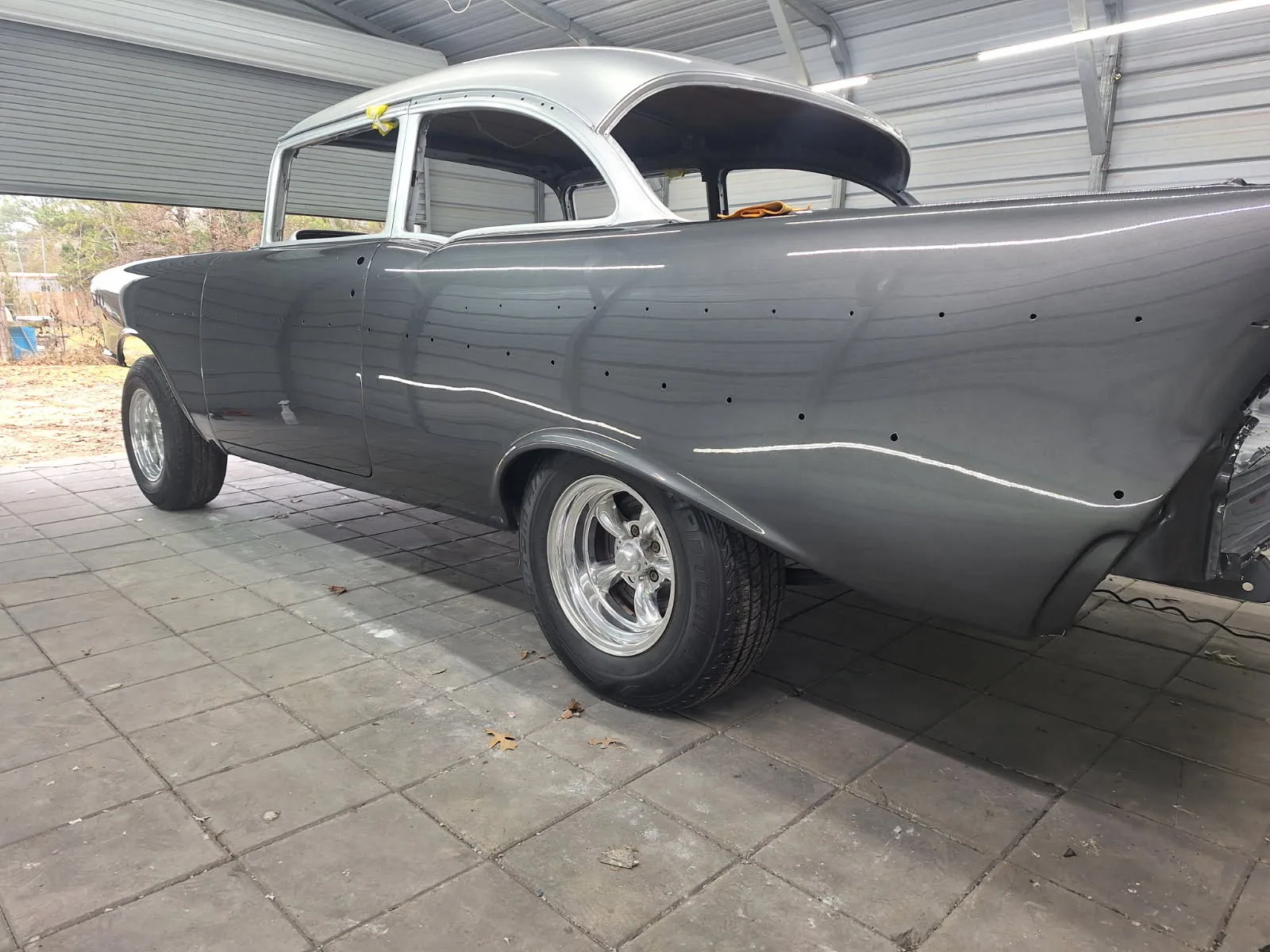
Classic car restoration process in progress

Before restoration scope creeps

A good restoration process protects the owner from surprise. Each stage should reveal what is known, what is not known yet, and what decision comes next before more work is buried under paint.

Intake goalDiscoveryApprovalsPhoto updates
Start an EstimateSee Proof of Work

Process

Seven steps from first look to final walk-around

The process is not fancy. It is steady — each step ends with something you can see and approve.

  1. IntakeIt starts with the story: year, make, model, photos, running condition, known rust, and prior repairs. Then the goal. Driver-quality means a clean, solid car you actually drive. Show-minded means deeper finish work, built to be judged up close.
  2. ScopeScope puts the plan in writing. What's included, what's excluded, and what stays unknown until teardown. You'll know which items could change the budget or the parts plan before anything comes apart.
  3. TeardownTrim, carpet, panels, and old filler come off. This is where the car shows what is hidden: rust in seams, old repairs, missing hardware. Every find gets photographed before it gets discussed.
  4. Metal workSome panels can be repaired. Some need replacement. Each option gets explained in plain terms: cost, fit, and how long it should last. You pick the path before metal work begins.
  5. Paint planPaint gets planned after the body is honest. Factory color or full custom, driver-quality or show-minded finish — the choice depends on your goal and the metal under the old paint. More on the custom paint page.
  6. PhotosProgress photos are the record, not decoration. Intake, teardown, finds, metal repair, paint prep, and assembly all get photographed.
  7. DeliveryDelivery is a walk-around, not a key toss. You see the finished work, the project summary, and care notes. Any work you declined or deferred is listed too, so nothing is fuzzy later.
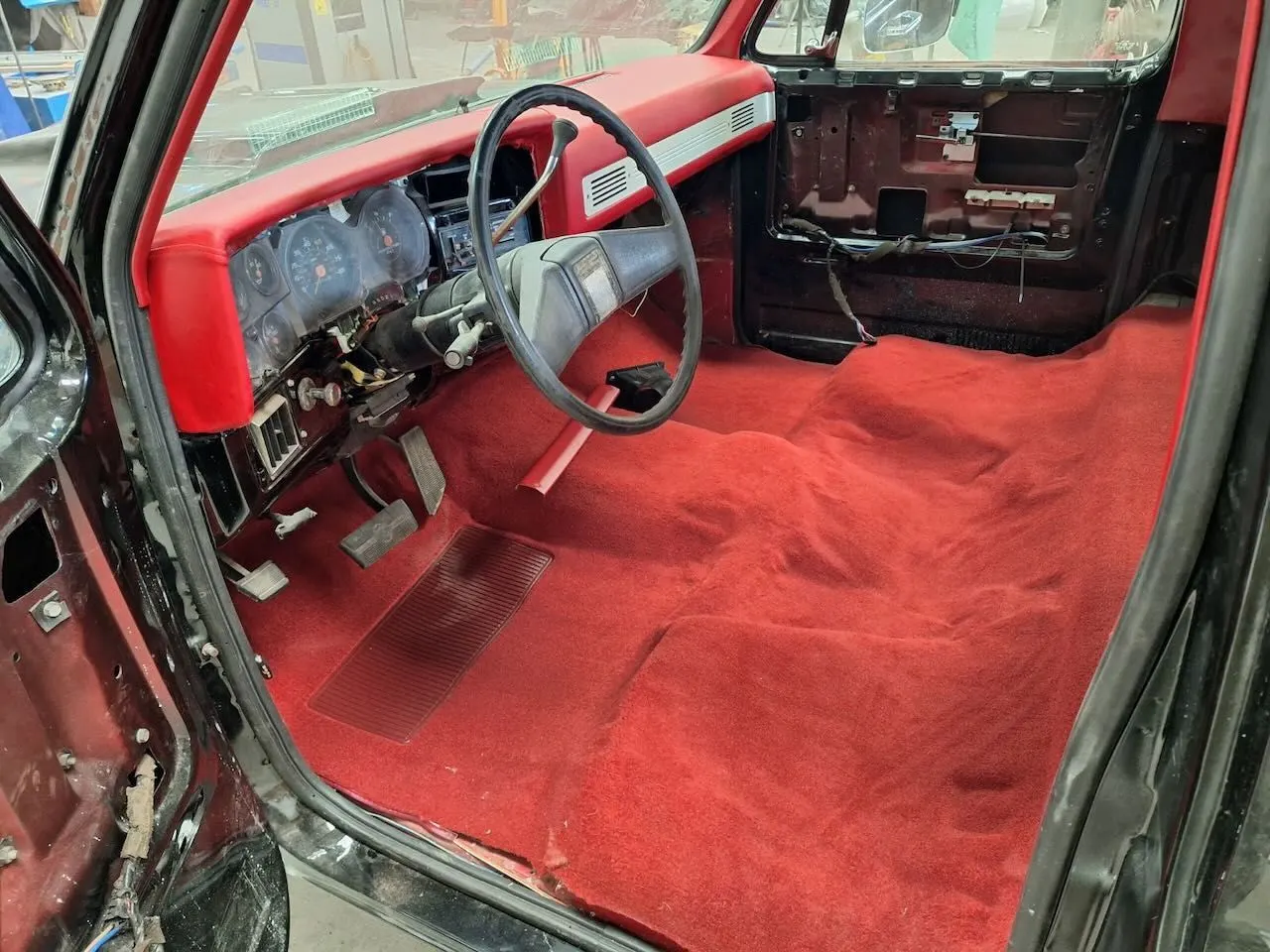
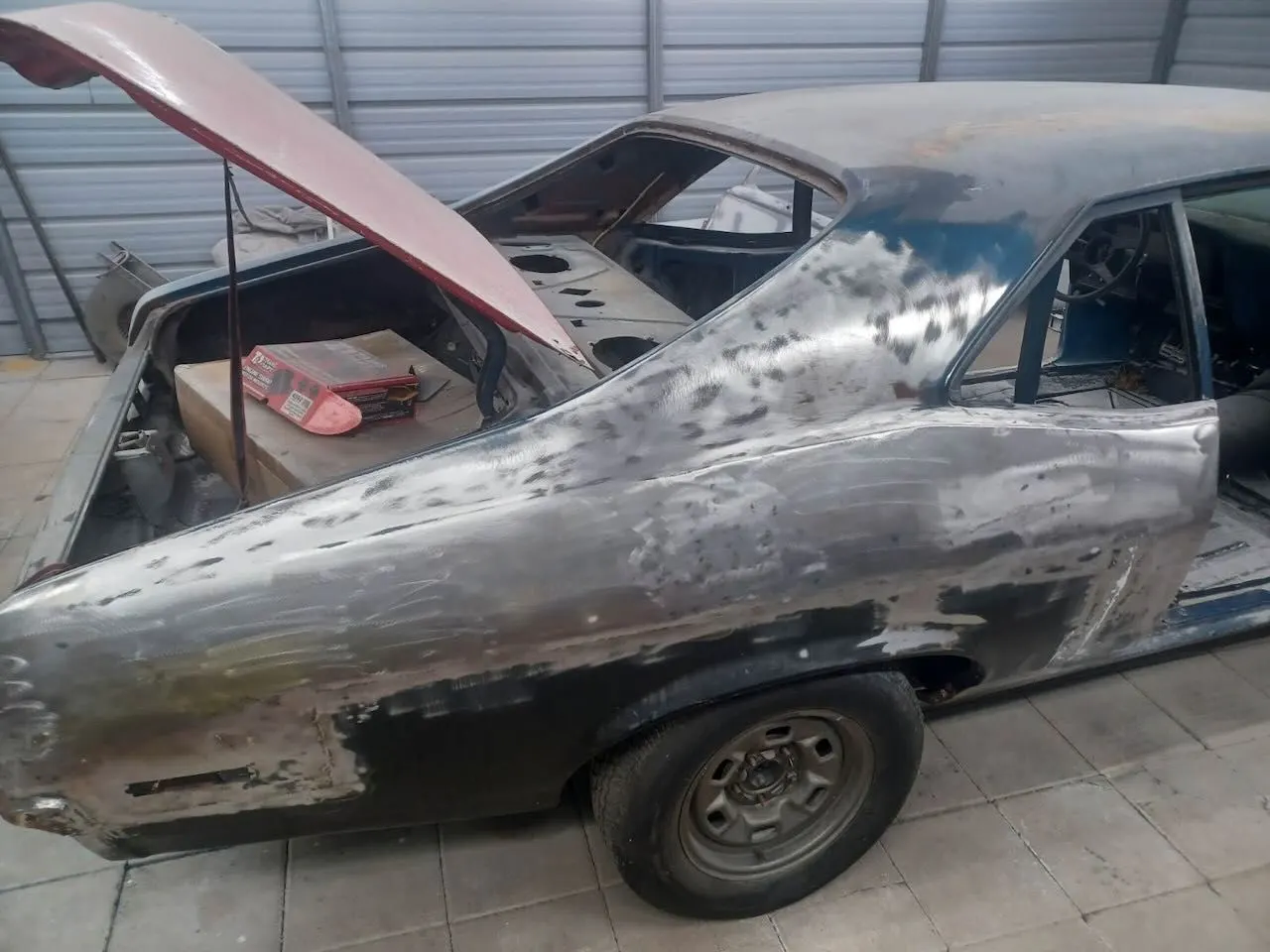
Classic restoration progress inside the Red Barn shop

Project

The best restorations have checkpoints

Restoration trouble starts when a project skips checkpoints. The owner wants to get moving. The shop wants to say yes. Nobody wants to talk about rust, parts delays, or work that was not in the first plan. That's how surprises happen.

Red Barn works the other way. Every find gets photographed. Every option gets explained. Extra work waits for your approval. The goal isn't to make restoration sound easy — it's to keep it controlled.

  • BudgetDiscussed as a range, phase by phase. You always know which numbers are firm and which wait on teardown.
  • PartsNew, reproduction, used, or customer-supplied — each affects fit, cost, and timeline. The parts plan gets explained before parts get ordered.
  • MilestonesUpdates tied to real stages: teardown done, rust found, metal plan approved, paint planned, assembly underway, walk-around ready.

Community

Finished steps turn into public proof

ShowsWhen a project finishes the last step, it should be seen. Verified East Texas dates live on the car shows page.
EventsCurrent show dates, field notes, and recap links live on the car-shows page.
ProjectsProject photos and stories connect the shop work to where the vehicle shows next.

FAQ

Questions people ask before they call

What is the first step in a classic car restoration?

Photos and a conversation. Bring the year, make, model, condition, known rust, and your goal. Red Barn looks at the car before anyone talks numbers. Pricing starts with the first phase, not the whole dream.

Why does teardown matter so much?

Old cars hide problems behind trim, carpet, and old filler. Teardown shows what is really there: rust, old repairs, missing hardware. Every find gets photographed and explained before extra work starts. For rust specifics, see rust repair.

When does paint planning happen?

After teardown and metal work show the car's real condition. Factory color or custom, the finish has to match your goal and the metal under it. See custom paint.

Classic project comparison table

Restoration buyers compare the project proof, not just the promise

Antique car restoration, classic truck restoration, muscle car work, restomod planning, rust repair, custom paint, and project documentation each need a clear proof path.

Project questionSemantic repair terms coveredProof Red Barn should show
Antique car restorationvintage body work, old repairs, missing trim, rust discoveryintake photos, teardown notes, milestone approvals, and project photos
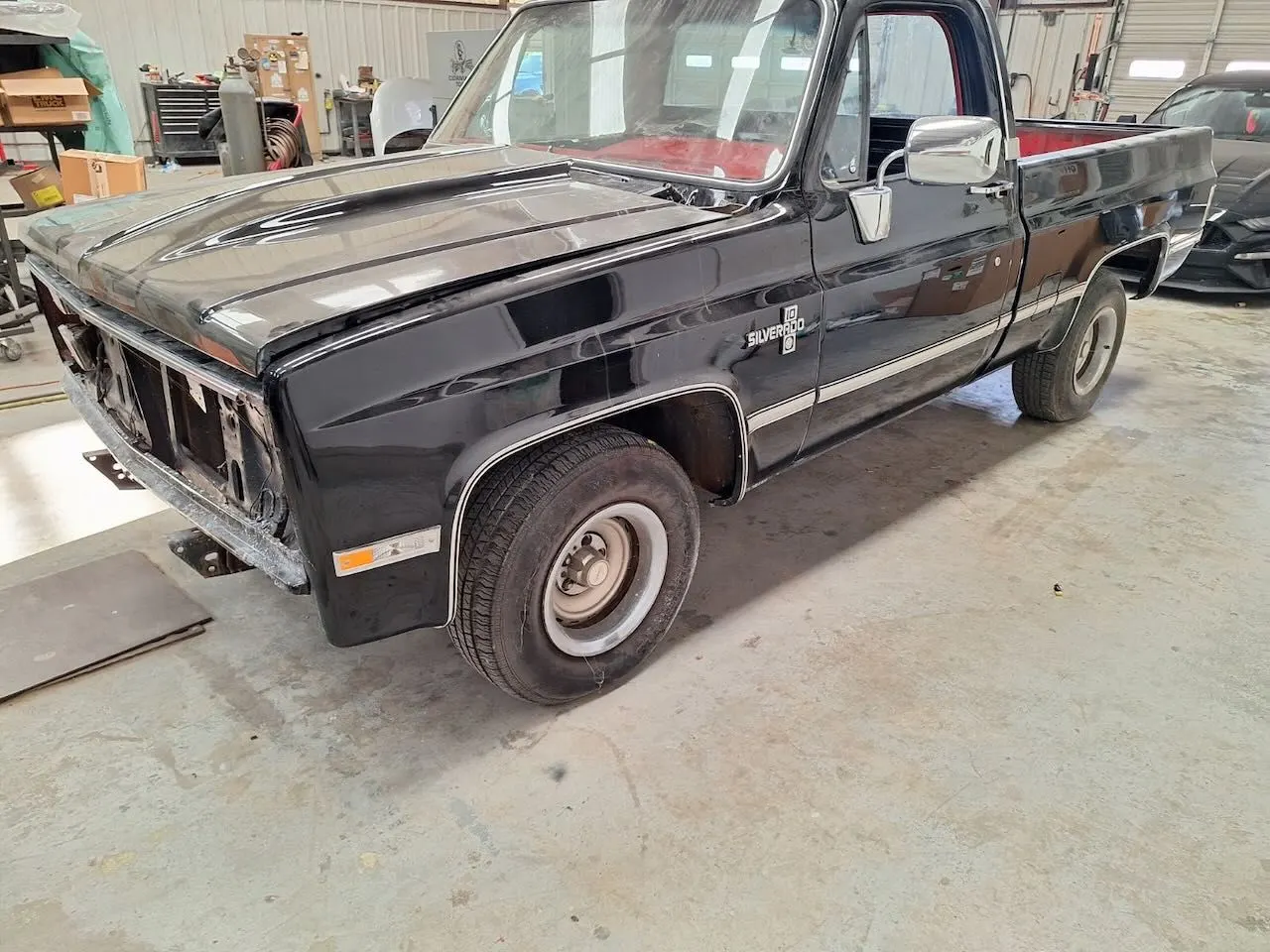
Classic truck restorationcab corners, bed sides, floor pan rust, stance, driver-quality goalscab and bed fit checks, metal repair notes, trim planning, and build photos
Muscle car and restomod planningmuscle car goals, restomod choices, panel fit, body straightness, custom paintscope control, paint planning, fit checks, and owner approval points
Rust repair and metal workmetal repair, panel replacement, seam edges, lower quarters, floor pansbefore and after rust photos, repair-stage photos, and paint-prep notes
Paint and finishcustom paint, paint matching, clear coat, blend area, show-quality finishsunlight checks, trim fit, edge quality, and final finish inspection
Project archive proofproject photos, build notes, before and after, car show outcomesnamed vehicle stories that show the work before, during, and after completion
Scope and budget controlteardown, parts timing, milestone updates, driver-quality versus show-quality decisionswritten next steps before the project moves deeper
Craftsmanship checkspanel fit, trim, body lines, cleanup, final walk-aroundpickup review that checks the work instead of rushing the handoff

Restoration process

The process has to protect the project from scope creep

Restoration buyers need a shop that explains what is known, what is not known yet, and when the next decision point arrives.

Intake and goalDriver-quality, show-quality, family heirloom, restomod, or resale goals change the restoration plan.
Discovery stageTeardown can reveal rust, collision history, old filler, missing hardware, and parts problems.
Milestone approvalsApprovals at discovery, metal work, body fit, paint plan, reassembly, and final finish keep decisions visible.
Photo updatesProgress photos create proof for the owner and semantic authority for restoration project pages.

Next step

Start with the first honest look

Send the year, make, model, photos, the rust you know about, and what you want the car to become. The first step is getting the facts on the table — before the car comes apart. Or call 903-880-3821 with photos and your goal.

Start a Restoration Estimate